Articles

rmc@dmin

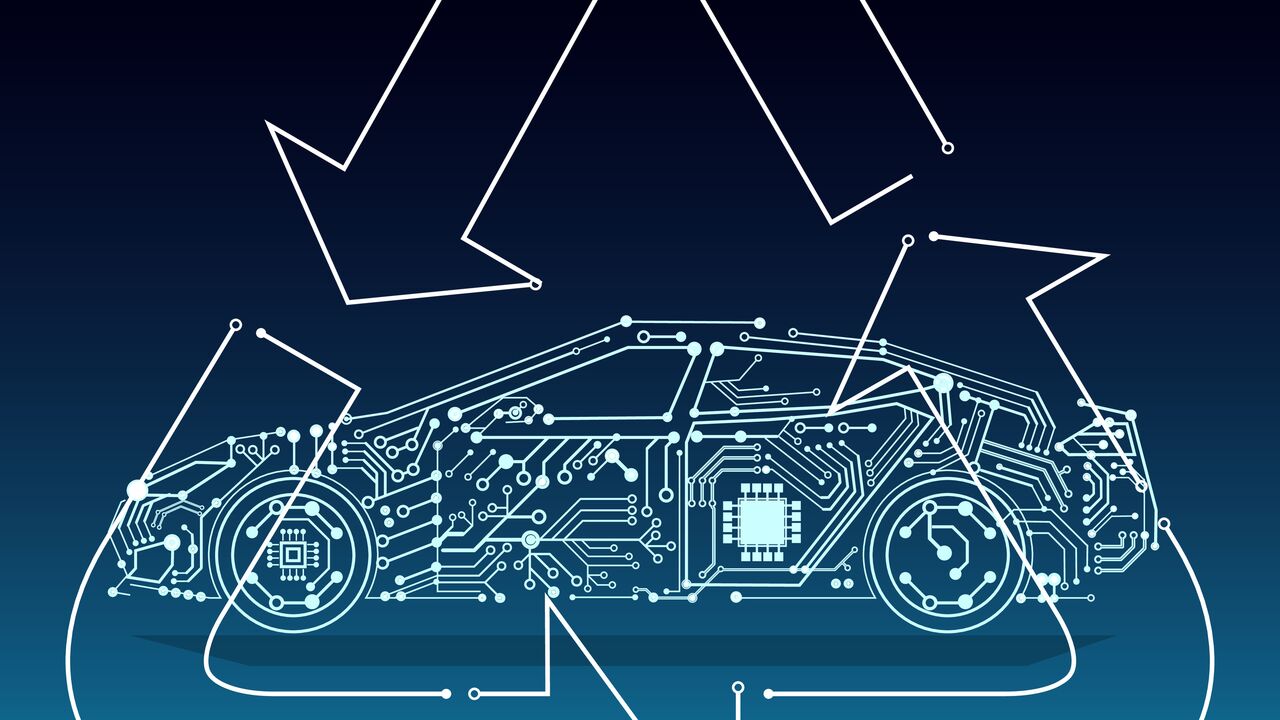
Electric cars - impact on the non-ferrous metals market

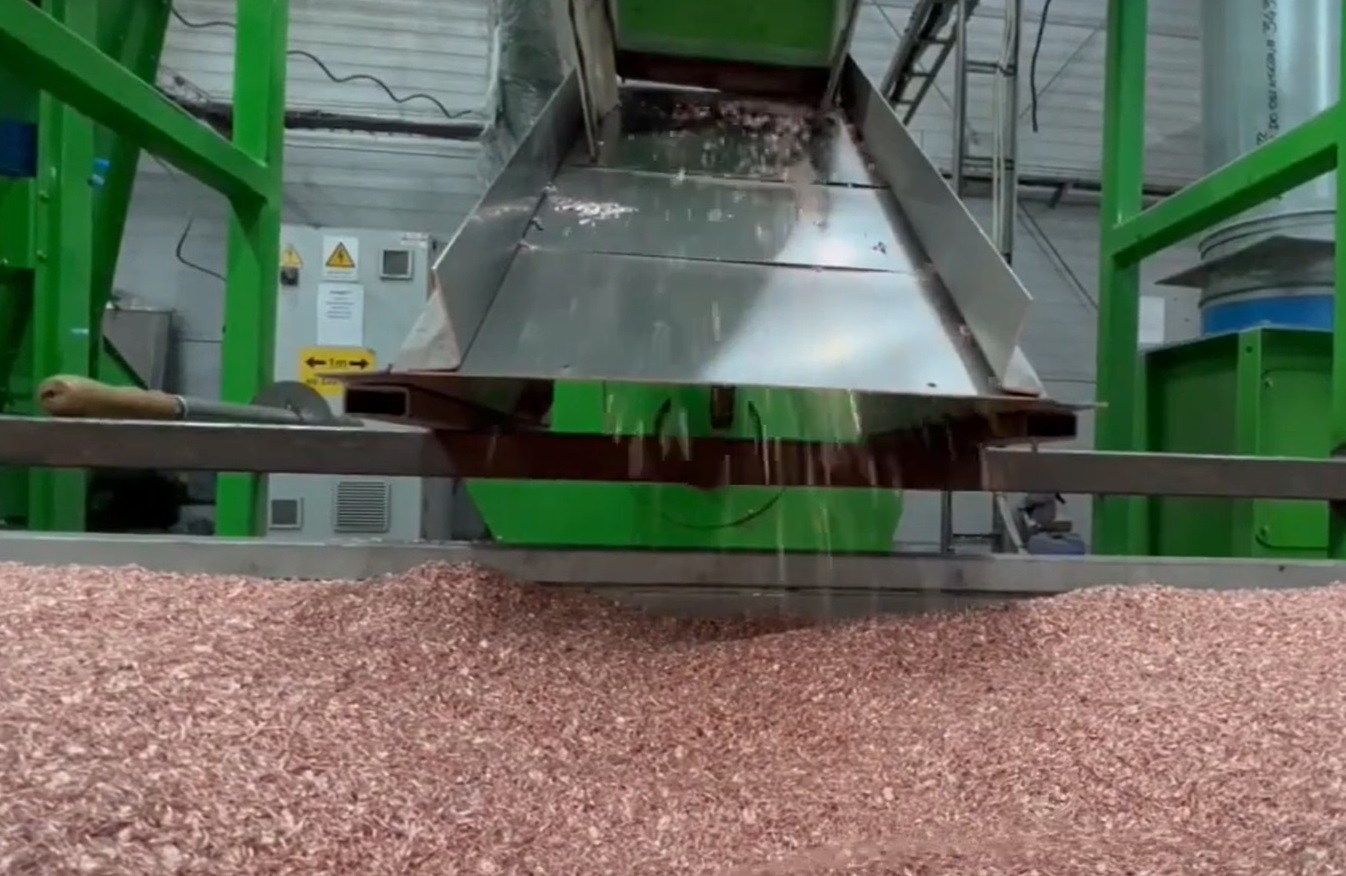
Until a few months ago, metal recyclers lived in the belief that the changes in the automotive market would have a very significant impact on the recycling market including non-ferrous metals (copper, aluminium, nickel, cable recycling, batteries and electric motors) and rare earth metals (lithium, cobalt, neodymium, praseodymium, and others). Everyone expected the electric car market in the long term....

View details
precious metals in electronics
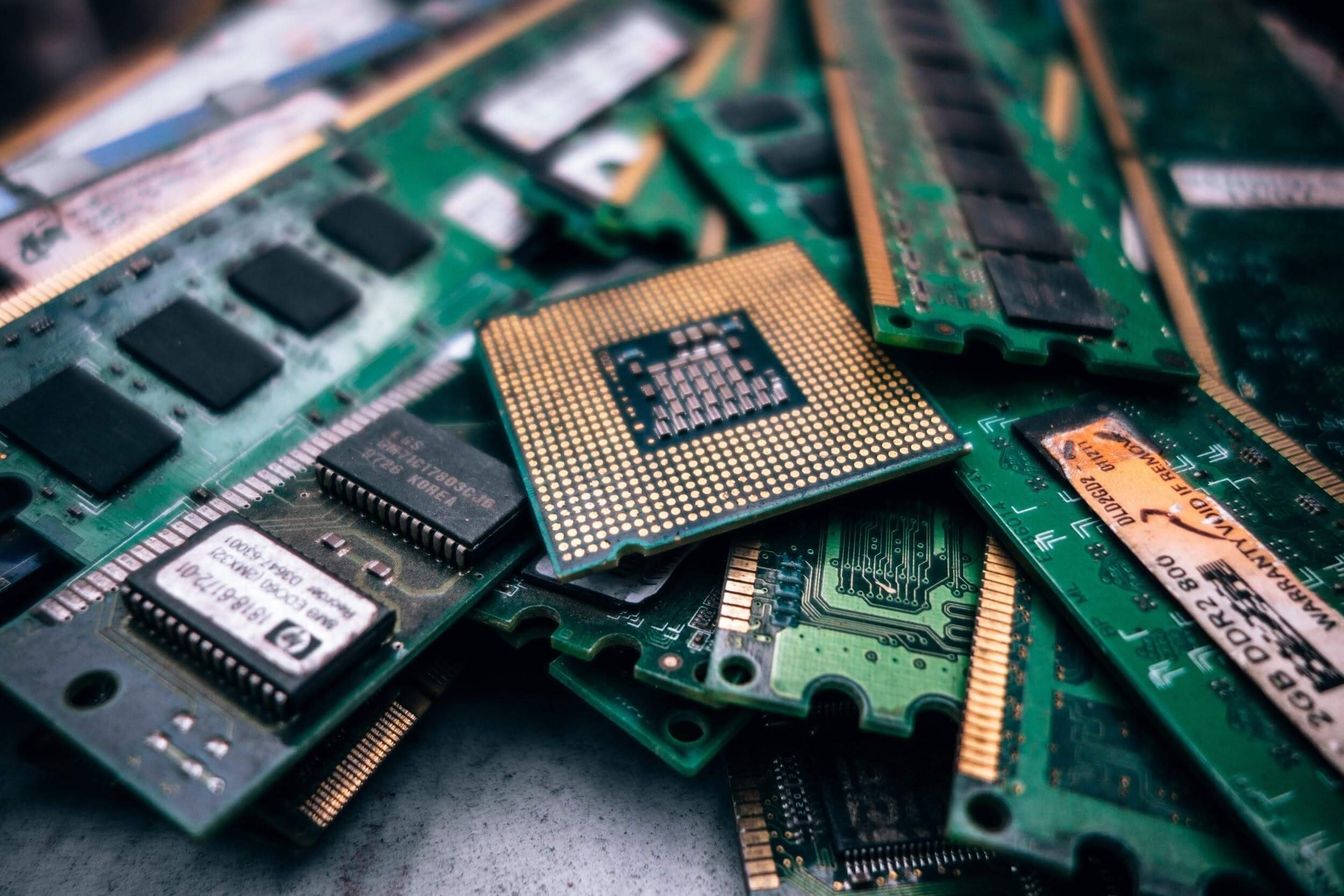
Electronics scrap - how much does it cost and what constitutes its value?

In an age of rapidly evolving technology and a continuous increase in the consumption of electronic devices, the management of electronic waste, also known as electro-waste, is becoming a key challenge for the modern world. Electronic scrap contains not only valuable metals, but also harmful substances that can be recovered. One option is to use the services of companies specialising in this field, offering to buy...

View details
use and prices of bronze
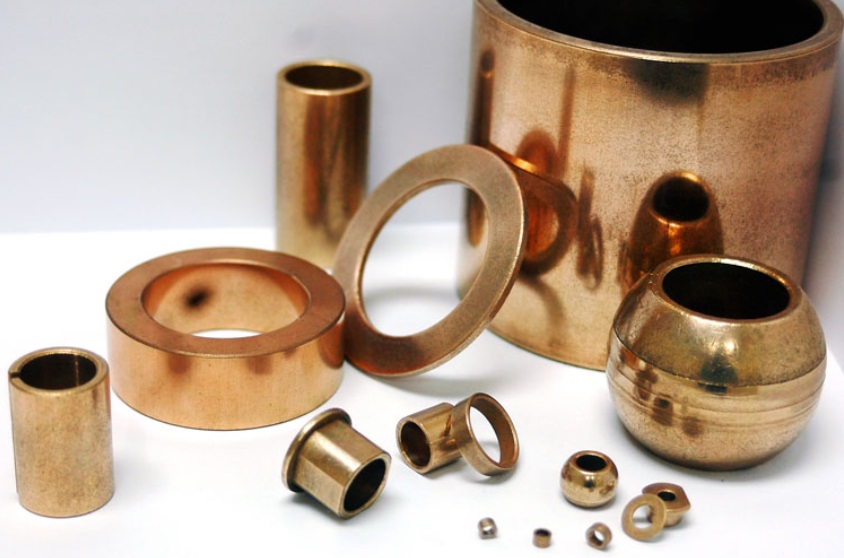
Bronze - A Precious Material in a Recycling World

Thanks to its versatile use, bronze remains one of the most valuable metals in the recycling industry. Its ability to be reprocessed with minimal loss of quality makes it not only a noble but also an environmentally friendly material. It is worth taking a look at the processing of scrap bronze to understand why recycling this metal is becoming increasingly important. What is bronze...

View details
EWC waste codes
Waste Codes: Key Tools in Waste Management

Waste management is one of the key challenges of modern society, which requires a coordinated and efficient approach at international level. In this context, the Basel Waste Codes and the EWC Codes (European Waste Catalogues) are becoming key tools that enable the uniform and precise classification of different types of waste. Basel Waste Codes: The Basel Waste Codes were introduced by the Basel Convention in...

View details
Basel Waste Codes
Basel Waste Codes

Key to Sustainable Environmental Resource Management Basel Convention - Introduction The Basel Waste Codes are a waste classification and management system that was introduced by the Basel Convention for a coordinated approach to waste management on a global scale. These codes provide the foundation for effective waste management while supporting the goals of sustainable development and environmental protection. The history and purpose of the Basel ...

View details
Everything you need to know about cable recycling

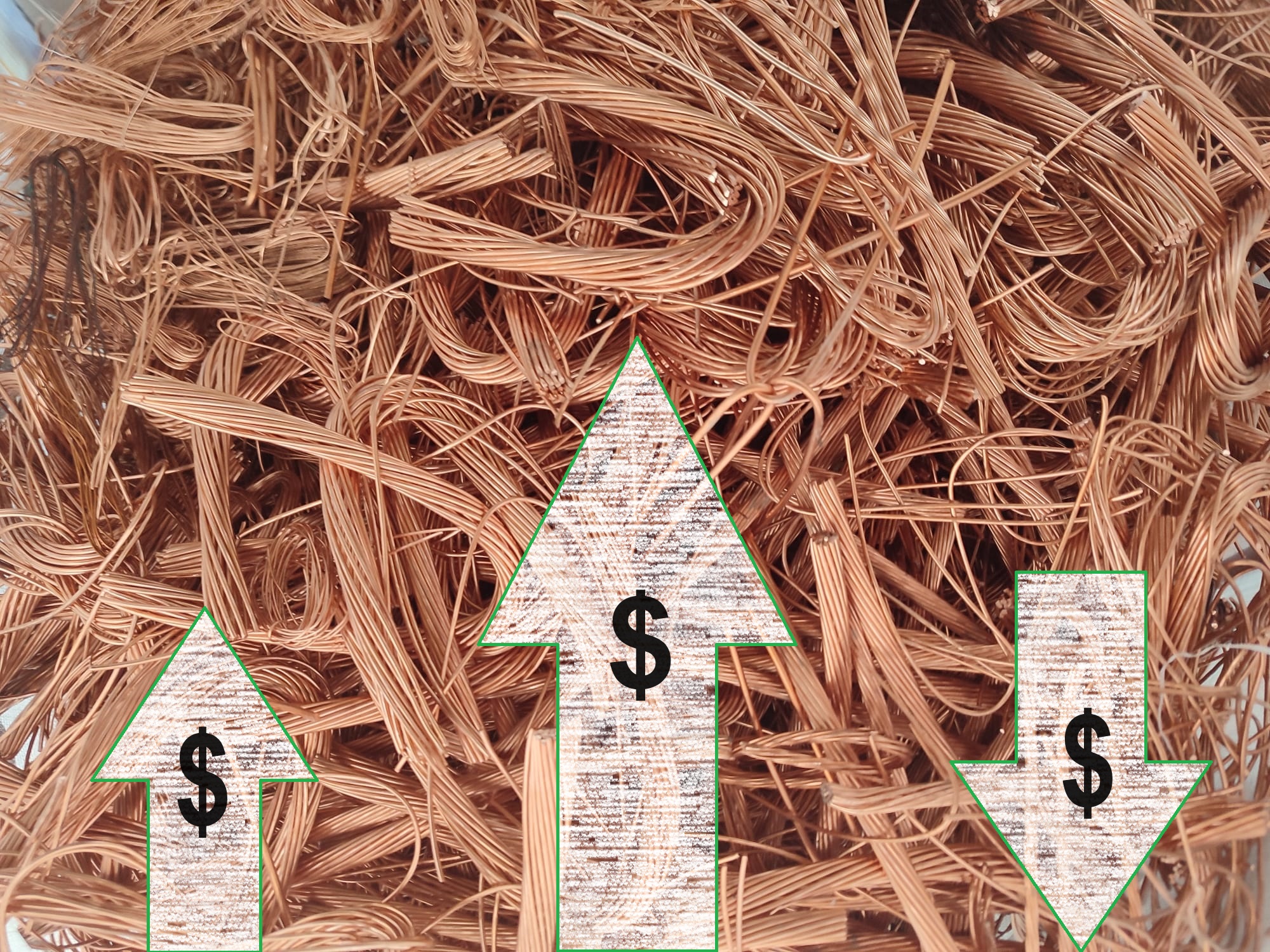
All about Cable Recycling Recycling is a key part of efforts to protect the environment and reduce the negative impact of human activity on the planet. Recycling companies such as the RADO Group play an important role in this process, helping to reduce the consumption of natural resources and lower greenhouse gas emissions. Types of cables Currently on the market...

View details
Non-ferrous metal scrap

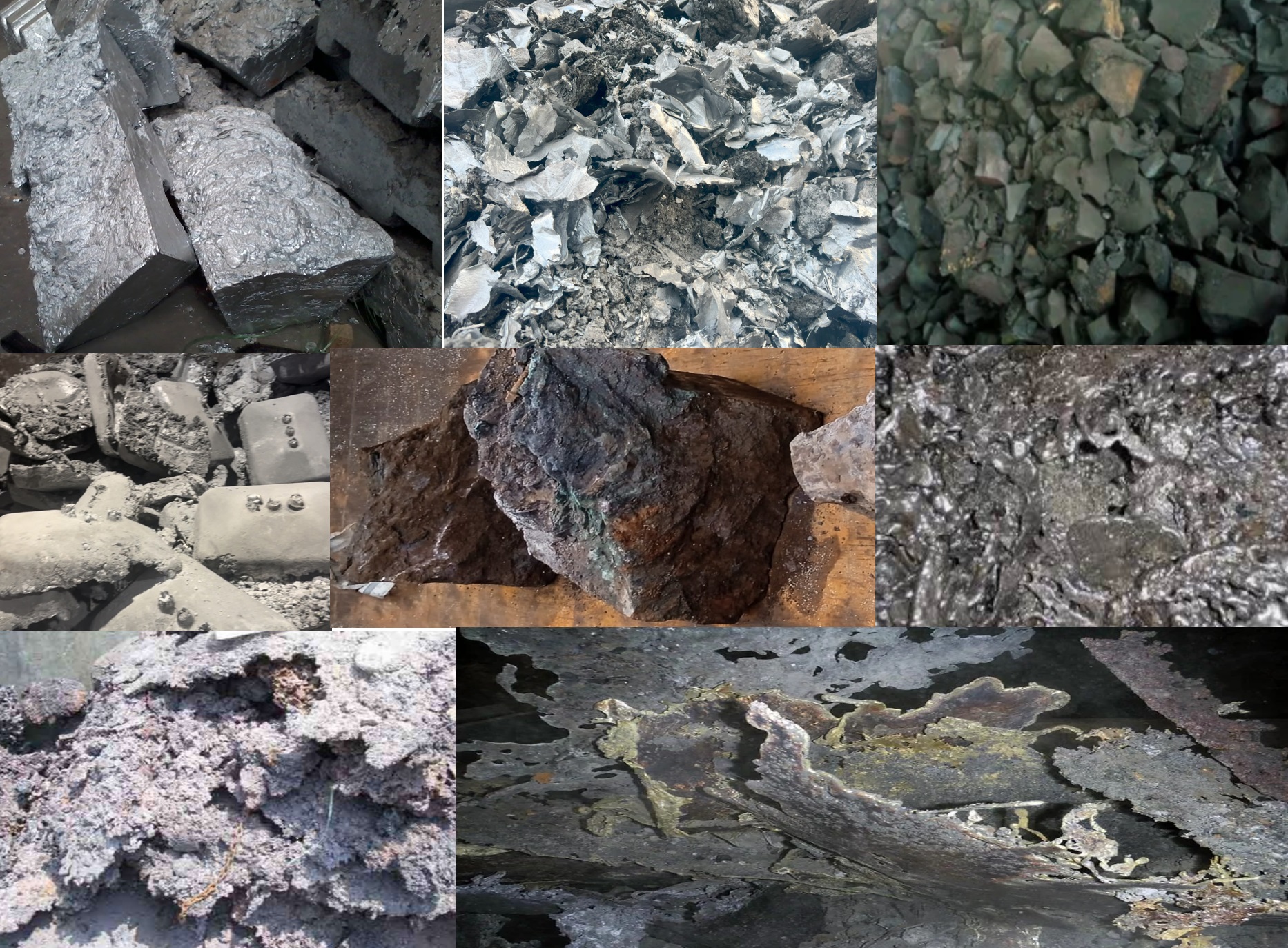
Non-ferrous metal scale - what is it? Non-ferrous metal scale is a type of by-product that is produced during the melting processes of metals, especially non-ferrous metals such as copper, aluminium, lead or tin. It is a solid substance, often in the form of small metallic pieces or grains, that separates from the metallic alloy during the melting process. Often these fine elements ...

View details
Nickel - Summary 2023 and forecasts for 2024

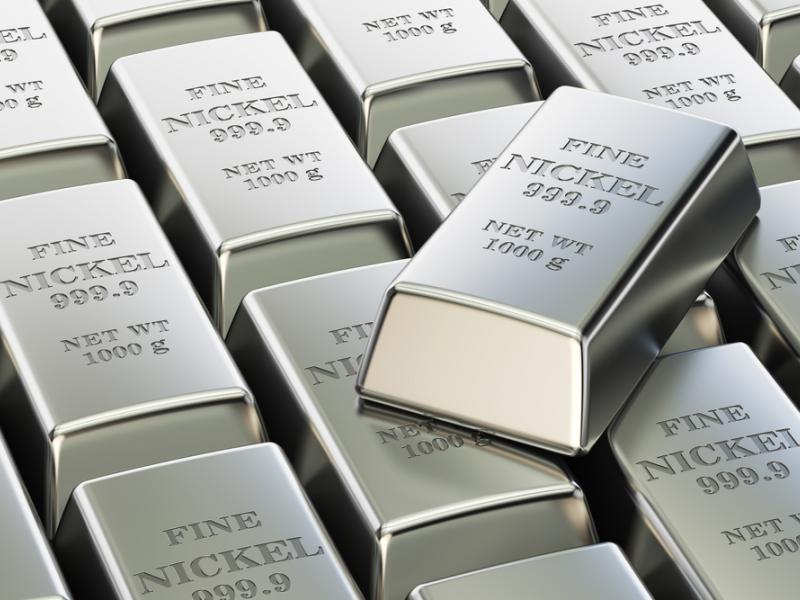
What is affecting the price of nickel? One of the key factors in the lower nickel prices over the past year has been a surge in supply from Indonesia, the world's largest nickel producer. Indonesia has the world's largest reserves of the metal and much of its production is Grade 2, a lower purity material used in the production of stainless steel. Indonesia's nickel production...

View details