uniphone applications

Unifont - Innovative Aluminium Alloy that self-hardens

Many workers in the scrap industry can distinguish between the basic types of aluminium. These include silicon (Si) based casting alloys and plastic alloys in different series depending on the content of different elements in the alloy. An exception is the alloy called Unifont. It is often confused with scrap casting alloys colloquially referred to as casting. Unfortunately, although it is an alloy ...
What does the price of aluminium scrap at the scrap yard depend on?

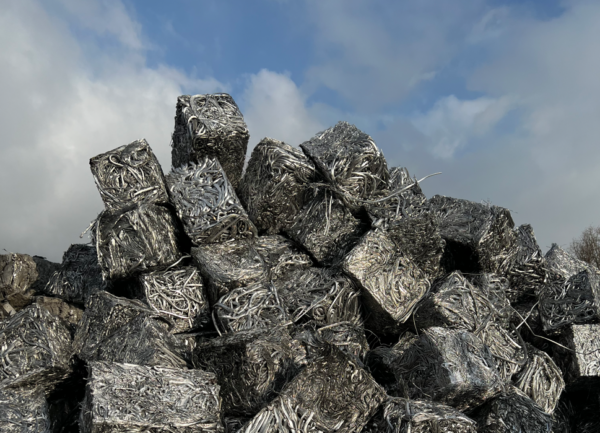
Many people wonder why, despite an increase in the price of aluminium on the LME (London Metal Exchange), the price of aluminium at scrap metal buying remains unchanged. The answer to this question is complex, because the price of aluminium at scrap purchase depends not only on the LME aluminium price, but also on many other factors. In this paper we will try to explain which...

recycling of germanium, germanium

Germanium - a metal we know little about recycling

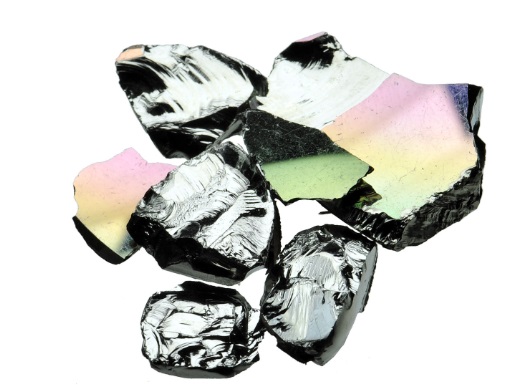
Germanium (Ge) is a chemical element with an atomic number of 32, which belongs to the group of semi-metals. It is greyish-white in colour. Although not as widely known as other metals or semiconductors, germanium plays a key role in various fields of science and technology. Its unique properties make it an invaluable material in the electronics, optics and photovoltaic industries. Under normal conditions...

What is brass and what are its uses?

What is brass and what are its uses?

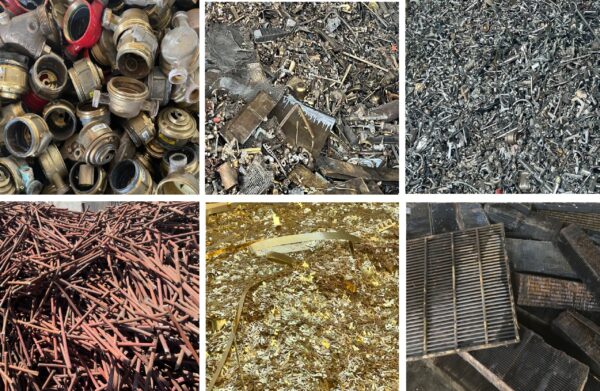
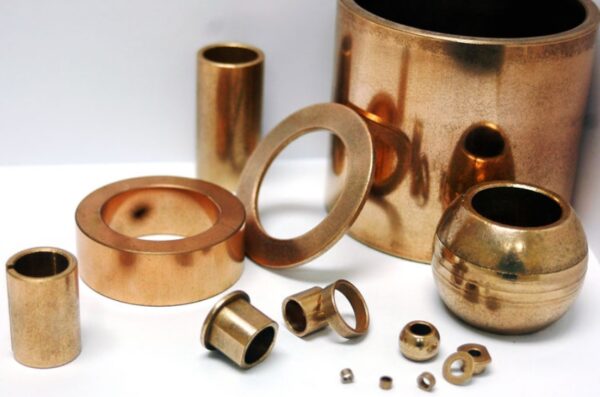
Known for its shiny gold-like appearance, brass is more than just a beautiful metal. It is formed from a combination of copper and zinc in various proportions that affect its properties. The first traces of brass can be found in the archaeological remains of ancient Sumer, located in what is now Iraq, as early as 5000 BC. However, early versions of brass were probably ...

Tin at the Scrap Metal Surcharge: Extremely interesting with great significance and value.

Tin at the Scrap Metal Auction: an interesting metal of great importance and value

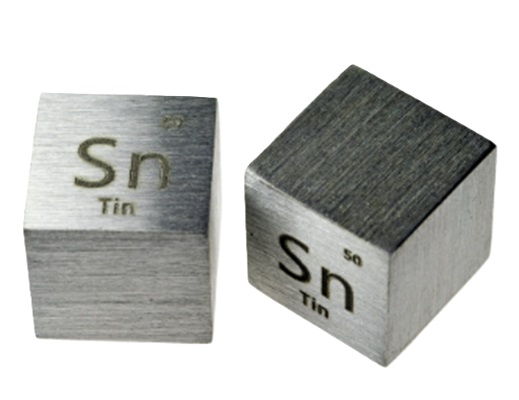
When we think of scrap metal collection, the first associations are often scrap steel, aluminium or copper. But did you know that tin also plays a key role in recycling and metallurgy? This little-appreciated metallic pearl has many uses and a high value. A bit of history Tin was invented in ancient China, and the exact date of its invention is not exactly known....

ZnAl - A versatile alloy with countless applications

ZnAl - A versatile alloy with countless applications

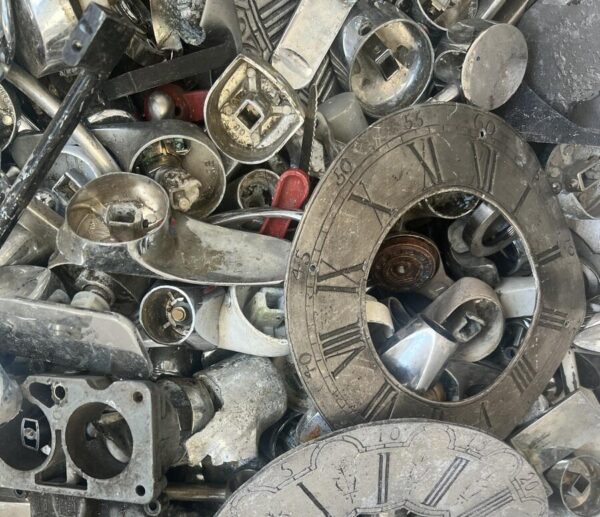
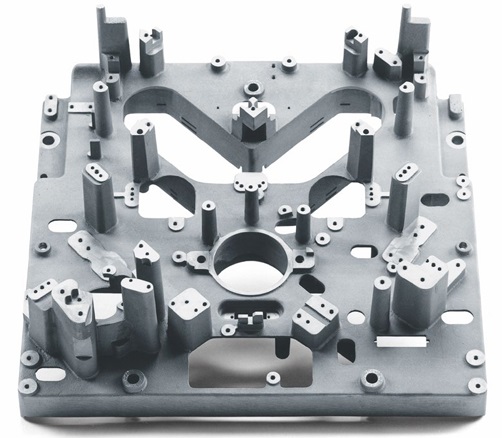
Zinc-aluminium alloy, commonly known as ZnAl, is a material with remarkable properties that plays a key role in many areas of industry. Due to its lightness, strength and corrosion resistance, ZnAl has become an indispensable material in the manufacture of a variety of components, from automotive parts to consumer products. In this article, we take a closer look at this fascinating alloy....

Electric cars - impact on the non-ferrous metals market

Electric cars - impact on the non-ferrous metals market

Until a few months ago, metal recyclers lived in the belief that the changes in the automotive market would have a very significant impact on the recycling market including non-ferrous metals (copper, aluminium, nickel, cable recycling, batteries and electric motors) and rare earth metals (lithium, cobalt, neodymium, praseodymium, and others). Everyone expected the electric car market in the long term....

precious metals in electronics

Electronics scrap - how much does it cost and what constitutes its value?

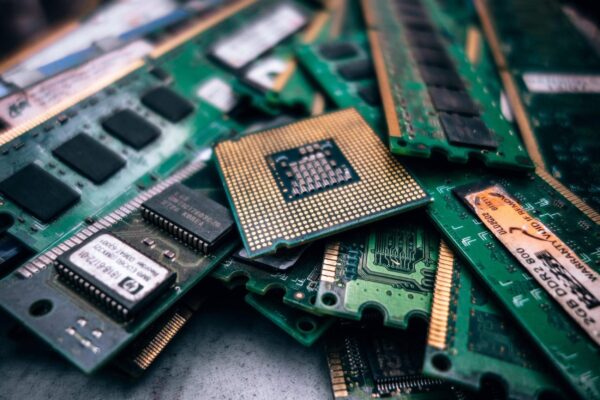
In an age of rapidly evolving technology and a continuous increase in the consumption of electronic devices, the management of electronic waste, also known as electro-waste, is becoming a key challenge for the modern world. Electronic scrap contains not only valuable metals, but also harmful substances that can be recovered. One option is to use the services of companies specialising in this field, offering to buy...

EWC waste codes

Waste Codes: Key Tools in Waste Management

Waste management is one of the key challenges of modern society, which requires a coordinated and efficient approach at international level. In this context, the Basel Waste Codes and the EWC Codes (European Waste Catalogues) are becoming key tools that enable the uniform and precise classification of different types of waste. Basel Waste Codes: The Basel Waste Codes were introduced by the Basel Convention in...