
Basel Waste Codes

Basel Waste Codes

Key to Sustainable Environmental Resource Management Basel Convention - Introduction The Basel Waste Codes are a waste classification and management system that was introduced by the Basel Convention for a coordinated approach to waste management on a global scale. These codes provide the foundation for effective waste management while supporting the goals of sustainable development and environmental protection. The history and purpose of the Basel ...
What does the price of copper at the scrap yard depend on?

What does the price of copper at the scrap yard depend on?

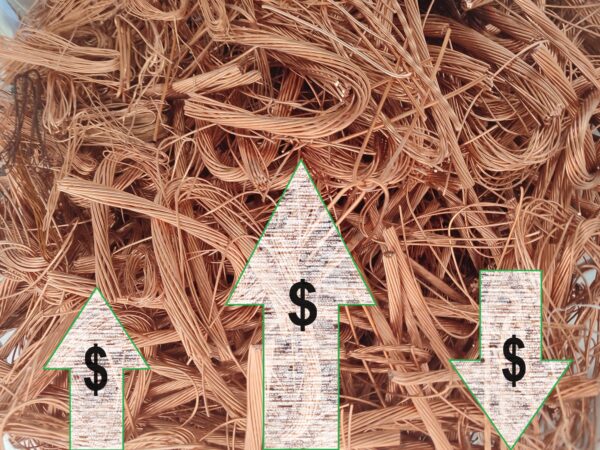
What determines the price of copper at the scrap yard? The price of copper and its alloys is the most exciting thing about scrap metal buying. This is probably due to the fact that copper is the most expensive of the popular non-ferrous metals that we can find at scrap yards and in households, service and manufacturing companies The price of copper at scrap yards depends on various factors,...

Non-ferrous metal scrap

Non-ferrous metal scrap

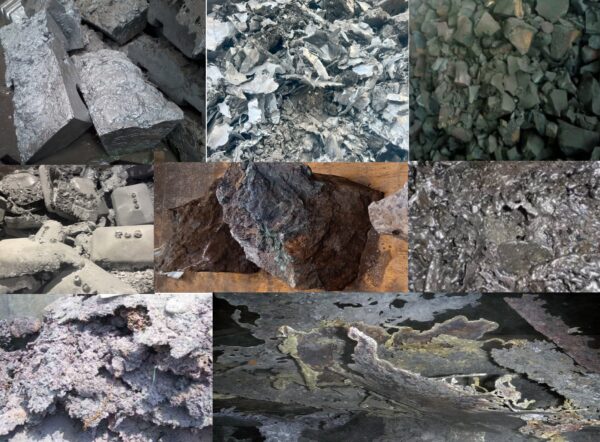
Non-ferrous metal scale - what is it? Non-ferrous metal scale is a type of by-product that is produced during the melting processes of metals, especially non-ferrous metals such as copper, aluminium, lead or tin. It is a solid substance, often in the form of small metallic pieces or grains, that separates from the metallic alloy during the melting process. Often these fine elements ...

Securing commodity prices

Securing commodity prices

How to hedge non-ferrous metal prices against stock market volatility (LME). Raw material prices on global stock exchanges are prone to sudden changes and fluctuations. These fluctuations can have a significant impact on the earnings of companies involved in production as well as companies trading in secondary raw materials. Therefore, companies that use raw materials in their operations should have price hedging strategies,...

Co2 concentration in plastics

Co2 concentration in plastics

CO2 present in PVC materials: Carbon dioxide (CO2) emissions from the production of 1 tonne of PVC can vary significantly depending on the technology used at the production facility, the energy source, the composition of the raw materials, and the environmental practices of the manufacturer. In general, the production of 1 tonne of PVC can generate between approximately 1.5 and 2.5 tonnes of CO2. However, this figure is ...

What are aluminium alloys (series)?

What are aluminium alloys (series)?

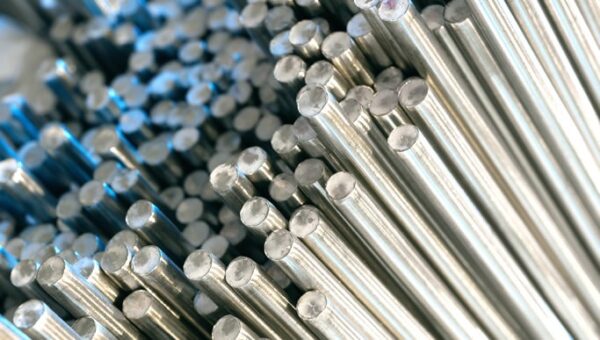
What are aluminium alloys (series)? Aluminium alloys are materials constructed by combining aluminium with other metals or additives. The main objective is to obtain a material that combines the best properties of aluminium with the additional advantages of other metals. The result is an alloy with specific characteristics that are suitable for a variety of applications. Aluminium alloys represent a fascinating area in the field of...

What is manganese steel?

What is manganese steel?

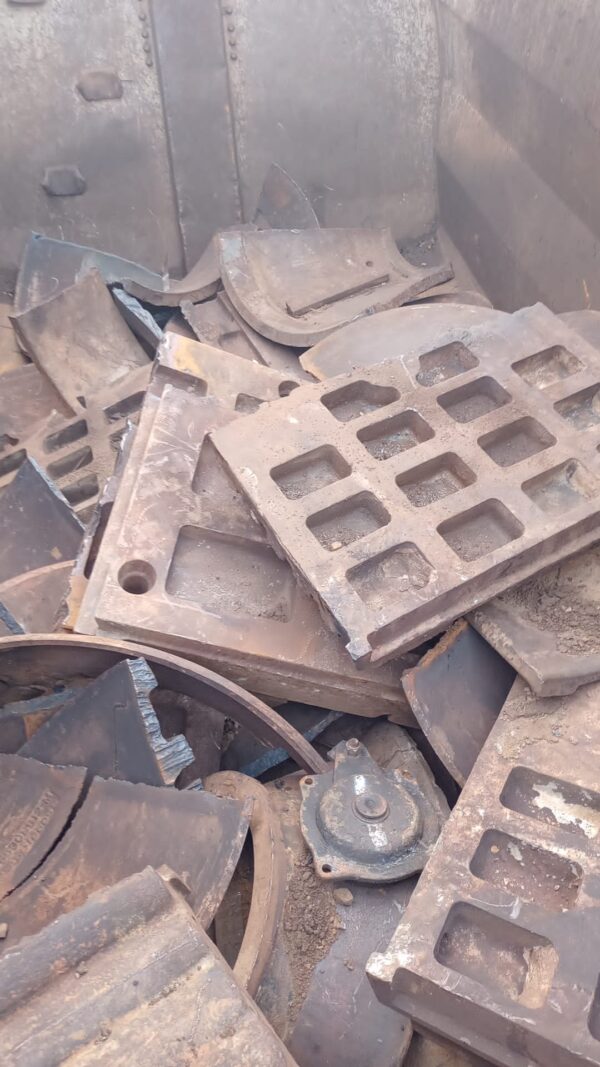
Manganese steel - what do you need to know? Manganese steel, also known as Hadfield steel, is a type of alloy steel that contains significant amounts of manganese (typically 11% to 14%). This steel is named after Sir Robert Hadfield, a Briton who pioneered research into this type of steel in the 19th century. The main purpose of adding manganese to steel...

What is sustainability and how to implement it in a "scrap metal" company

What is sustainability and how to implement it in a "scrap metal" company

The idea of sustainable development - what is it? The idea of sustainable development promotes social and economic progress that takes place without compromising the ability of future generations to meet their needs. At the heart of sustainable development theory is concern for the state of the natural environment and the preservation of its riches for the generations that come after us, which is why the idea is also often referred to as...